
I find it pretty interesting how the Bible offers wealth advice and longevity advice that no human would ever come up with. These pieces of advice seem to be completely unrelated, yet, because I’m a believer and I believe the God of the universe is also the creator of all the rules of what govern … Continue reading “Longevity and wealth wisdom you won’t get from the world + other counter culture messages of the Bible”
37 things I’ve adopted that quietly improved my life

Do you like a self help listicle as much as I do? I hope you find some items on this list helpful. I understand many of these list items not everyone can do and although not everyone can be a SAHM or would even want the life of a SAHM, I do feel absolutely blessed … Continue reading “37 things I’ve adopted that quietly improved my life”
Kid updates!

It is year 2026, and I can’t believe in four days I will have an ELEVEN year old! It just feels like not too long ago I was holding him in my baby carrier. How is this life?? Also, Luke is turning eight 🥹 in three days and is turning out to be quite the … Continue reading “Kid updates!”
6 traits I find most valuable in friends

I am an extreme extrovert- the quizzes say 100%! This means I derive all my energy from being with others. It’s no wonder I like to see friends almost daily. Since friendships are so important to me, it has gotten me to start thinking of what traits many of my dearest friends have in common. … Continue reading “6 traits I find most valuable in friends”
50 things I want to do this summer! – A Kitsap and foodie focused summer bucket list

I love a bucket list! How about you? I honestly wouldn’t want to be anywhere else in the United States besides Washington or Maine. Our summers are heaven. We have frequent 70 degree dry days and temps don’t get too high too often. Our summers are breezy and warm, and since we suffer 9 months … Continue reading “50 things I want to do this summer! – A Kitsap and foodie focused summer bucket list”
The secret to amazing store bought pizza crust

I have finally perfected my at home pizza using store bought pizza dough! The secret is two- fold- using a pizza stone and putting your oven to the highest temperature it can go to! Place the stone in a cold oven. Preheat the oven to temp- mine goes to 550! Open doors of your home … Continue reading “The secret to amazing store bought pizza crust”
2 tips to help you get rid of clothes + 1 bonus shopping tip
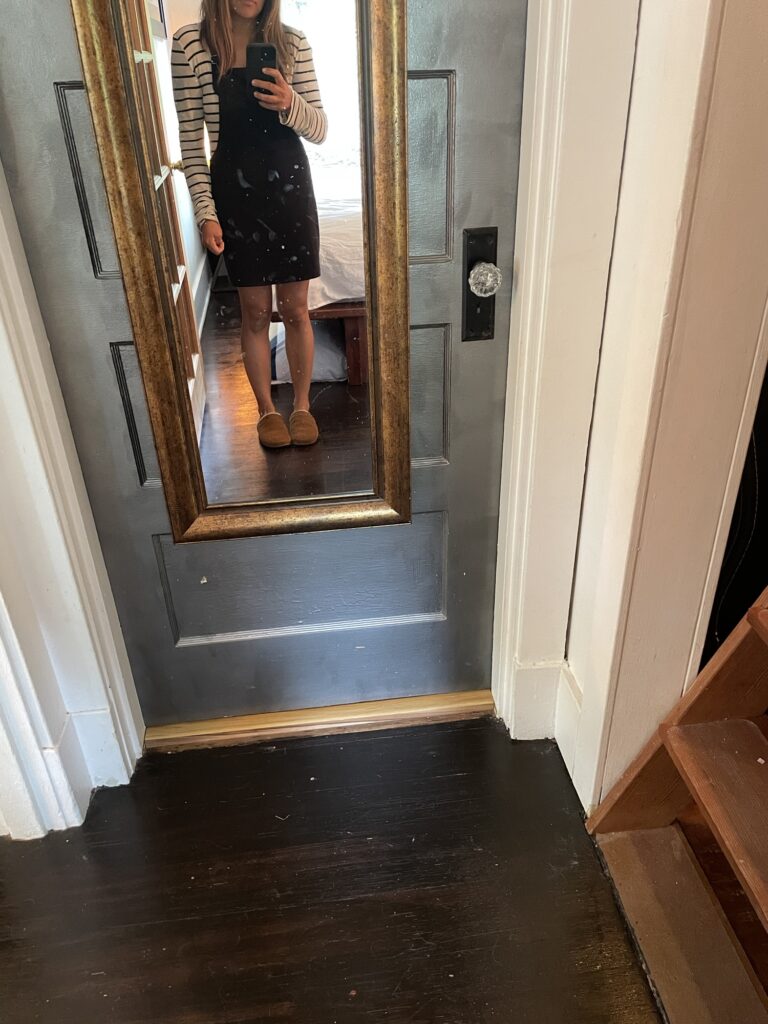
Do you have a hard time getting rid of stuff? I know I do! Here are some tips that have helped me. First one is one of my most popular Tik Tok videos on the question to ask yourself as you go through your clothes- Also, what has helped me is separating stuff that I’m … Continue reading “2 tips to help you get rid of clothes + 1 bonus shopping tip”
3 Things I’ve been doing lately when I’ve felt overstimulated

Hi friends! I don’t know if your life is anything like mine, but I homeschool two young boys and often feel overstimulated. Maybe your overstimulation comes from a 9-5 job where the demands and the emails are endless or you live in a city that is complete with never ending traffic sounds and noise. Whatever … Continue reading “3 Things I’ve been doing lately when I’ve felt overstimulated”
Conversations with a 10 and 7 year old

I’m back from my 7 day sabbath and thinking about all these silly little conversations I have with my sons that I never want to forget! So, I write them on here so you can have a little giggle too. 😛 Noah during bedtime cuddles Me– I love you Noah. Thank you for being so … Continue reading “Conversations with a 10 and 7 year old”
#1 life advice tip to increase your happiness

Is it weird or foolish to think you’re the happiest person you know?! Possibly!? But if you’re as obsessed with happiness as I am, maybe you’re here to see what else you can implement in your life to boost your overall happiness. So here’s my number one tip that I feel like helps me tremendously. … Continue reading “#1 life advice tip to increase your happiness”